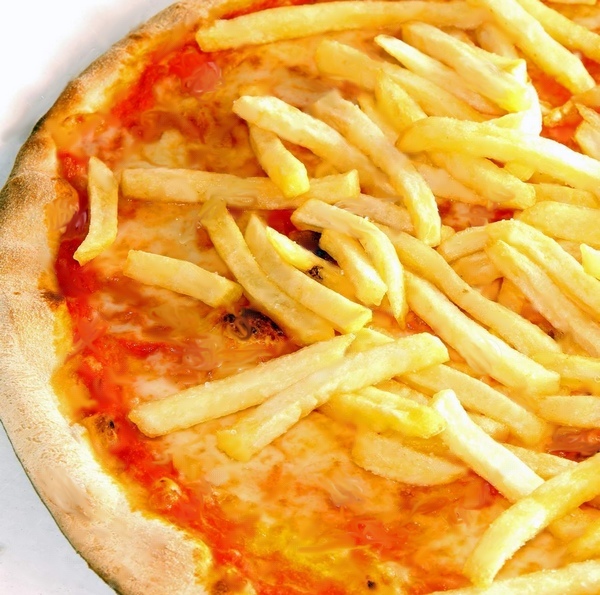
Journey to discover the Pizza with Lardo di Colonnata IGP
Production Area and ZIP Code Unlike other PGI products that cover entire regions, the Production Specifications for Lardo di Colonnata PGI define a very limited processing and aging area, linked to the unique microclimate of the Apuan Alps and the quarrying of local marble. • Processing and aging area. It is limited solely to the territory of Colonnata, a small mountain hamlet located at an altitude of approximately 532 meters. • Postal Code (CAP). The entire municipality of Carrara, including the hamlet of Colonnata, uses the single postal code 54033 (prior to the 2007 postal reform, the old code 54010 was in use).
History and Tradition
Origin of the Raw Material Although processing may take place only in Colonnata, the pigs from which the back fat is obtained may come from farms located in 10 regions of central and northern Italy: • Northern Italy: Piedmont, Lombardy, Veneto, Friuli-Venezia Giulia, and Emilia-Romagna. • Central and Southern Italy: Tuscany, Umbria, Marche, Lazio, and Molise. (Note: Since the farming area encompasses thousands of municipalities across ten entire regions, there is no specific list of ZIP codes for the raw material.)
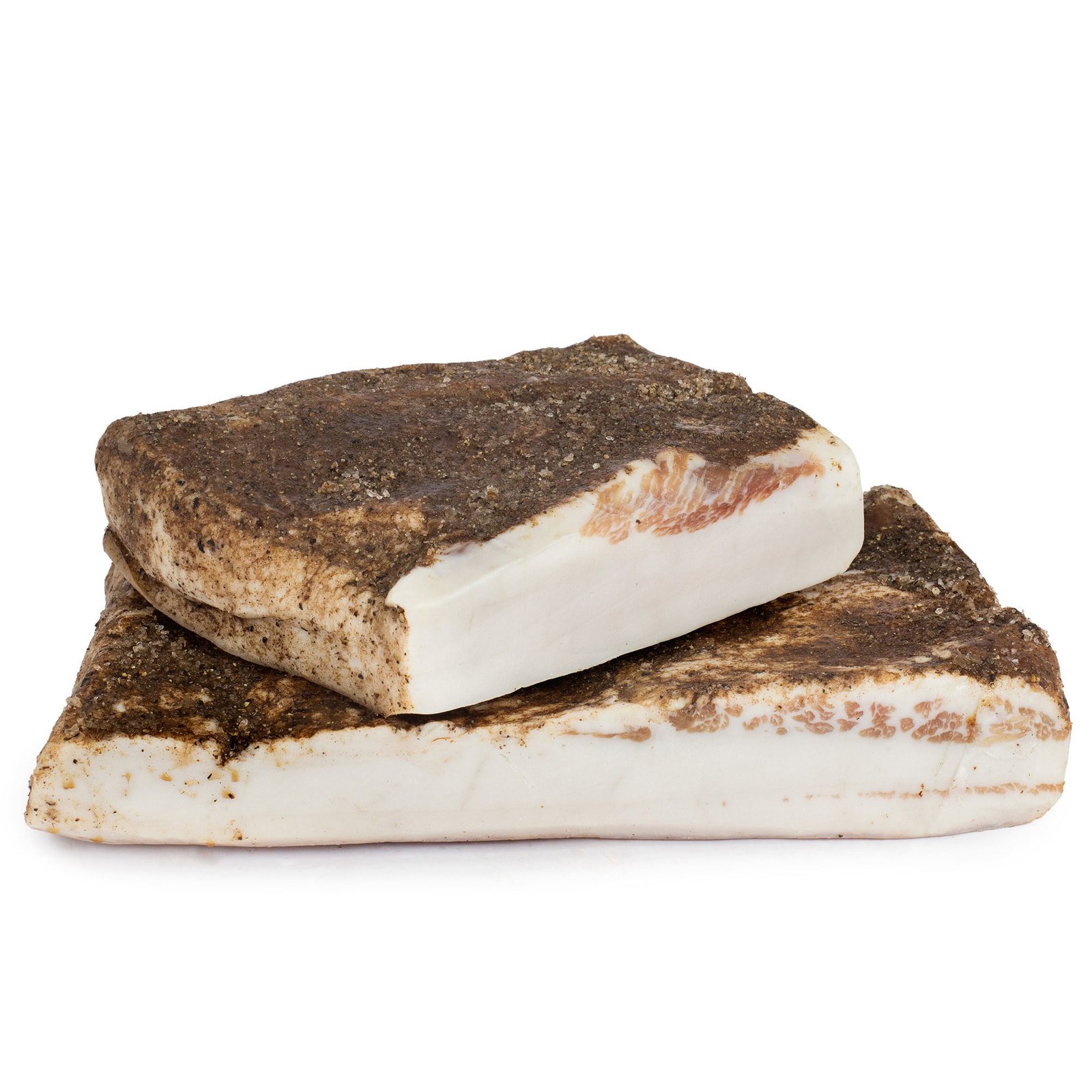
Key Characteristics and Production Process The product was awarded European PGI status in 2004 and is produced according to precise rules handed down from the tradition of marble quarrymen: • Cut and Seasonality. Only pork back fat (more than 3 cm thick) is used, processed fresh within 72 hours of slaughter during the period from September through May. • Ingredients and curing. The lard “slices” are rubbed with natural sea salt and flavored with black pepper, fresh rosemary, garlic, and any other spices or aromatic herbs. • Aging in marble basins. The lard is arranged in layers inside the troughs—tanks carved from local white marble (specifically from the Canaloni basin)—which have been previously rubbed with garlic. The tanks are sealed and left to mature in poorly ventilated, naturally humid rooms for at least 6 months. • Organoleptic profile. At the end of the aging process, it is white in color (sometimes with a slight pinkish tint), with a soft, uniform texture and a delicate aroma rich in herbaceous notes.
Territory and Protection Consortium
Unlike other PGI products that cover entire regions, the production specifications for Lardo di Colonnata PGI define a very limited processing and aging area, linked to the unique microclimate of the Apuan Alps and the quarrying of local marble.